

Im Jahre 2001 hat alles begonnen (News), als Intel gegen Partner VIA vor Gericht zog. Damaliger Streitpunkt waren eine Reihe von Intel-Patenten rund um das Thema Pentium IV, die VIA offensichtlich verletzte. Nach langem hin und her, hat man sich nun entschieden den Rechtsstreit beizulegen und der Sache ein Ende zu bereiten. Beide Parteien kommen nun gleichermaßen für die Kosten der zahlreichen Verhandlungen auf. Folgend die gemeinsame Pressemitteilung (Englisch) der beiden Unternehmen...
"Taipei, Taiwan, 8 April 2003 - VIA Technologies, Inc, a leading innovator and developer of silicon chip technologies and PC platform solutions, today announced that VIA and Intel Corporation have reached a settlement agreement in a series of pending patent lawsuits related to chipsets and microprocessors. The agreement encompasses 11 pending cases in five countries involving 27 patents.
Under terms of the settlement, both companies will dismiss all pending legal claims in all jurisdictions. The companies also entered into a ten-year patent cross license agreement covering each company’s products. As part of the agreement Intel granted VIA a license to sell microprocessors that are compatible with the x86 instruction set but not pin compatible or bus compatible with Intel microprocessors.
Intel further agreed for a period of three years, not to assert its patents on VIA bus or pin compatible microprocessors. Intel also granted VIA a four year license to design and sell chipsets that are compatible with the Intel microprocessor bus and agreed not to assert its patents on VIA or its customers or distributors on such chipsets for a fifth year. The agreement will be royalty bearing to Intel for some products. The license agreements do not apply to S3 Graphics, a company partially owned by VIA.
Each company is responsible for its own attorney’s fees. Specific financial and other terms of the agreement were not disclosed.
Intel initiated the litigations in September 2001, claiming that VIA´s microprocessor and chipset products infringed Intel patents. VIA counter sued, claiming that Intel microprocessors infringed three patents VIA acquired in connection with its acquisition of IDT´s Centaur subsidiary..."
BenQ erweitert seine MOBIUZ-Serie um den EX271QMZ. Der 26,5 Zoll große Gaming-Monitor setzt auf ein QD-OLED-Panel der dritten Generation mit...
Mit der E100 1 TB SSD hält Crucial eine preisorientierte NVMe-SSD mit PCIe 4.0 x4 bereit. Das M.2-2280-Laufwerk soll laut...
Im zurückliegenden Monat gab es wieder einige spannende Themen im Bereich Newsmeldungen sowie interessante Artikel und Produkttests. Folgend möchten wir...
Razer erweitert seine Kiyo-Serie um die Kiyo V2 Pro, eine 4K-Webcam für Gamer, Streamer und Content Creator. Die Kamera nimmt...
Wer eine Leiterplattenfertigung anfragen möchte, stellt sich früher oder später dieselbe Frage: Warum dauert ein Angebot so lange, und warum...
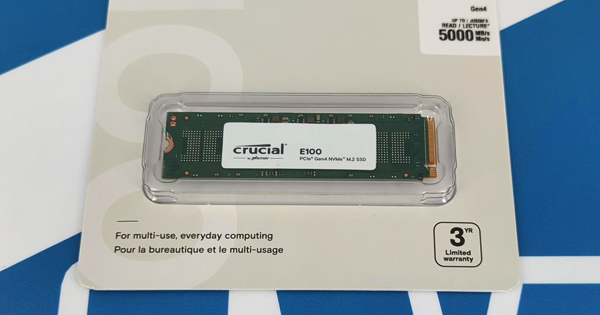
Die E100-SSD von Crucial basiert auf einem PCIe Gen4 Interface und QLC-Flashspeicher von Micron. Die Serie zielt auf Ein- und Umsteiger in die SSD-Welt ab. Wir haben uns das 1-TB-Modell im Test angesehen.
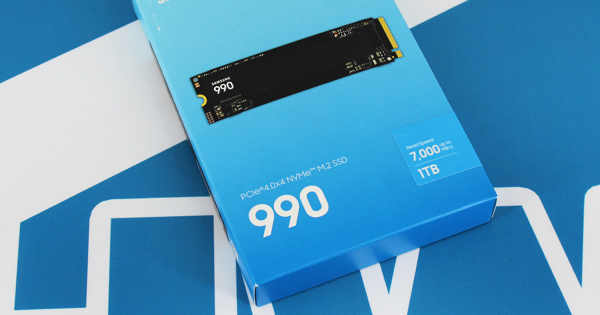
Mit der SSD-990-Familie stellt Samsung eine neue Serie von SSDs für Einsteiger vor. Wie sich die Kombination aus PCI Express Gen4 und QLC-Flashspeicher in der Praxis schlägt, klären wir am 1-TB-Modell.