

AMD hat sein Statement zur CPU-Sicherheit ergänzt. Zudem hat man das Statement auch um Überlegungen zur GPU-Sicherheit von Radeon-Chips ergänzt. Das englischsprachige Original sieht wie folgt aus:
The public disclosure on January 3rd that multiple research teams had discovered security issues related to how modern microprocessors handle speculative execution has brought to the forefront the constant vigilance needed to protect and secure data. These threats seek to circumvent the microprocessor architecture controls that preserve secure data.
At AMD, security is our top priority and we are continually working to ensure the safety of our users as new risks arise. As a part of that vigilance, I wanted to update the community on our actions to address the situation.
Google Project Zero (GPZ) Variant 1 (Bounds Check Bypass or Spectre) is applicable to AMD processors.
GPZ Variant 2 (Branch Target Injection or Spectre) is applicable to AMD processors.
GPZ Variant 3 (Rogue Data Cache Load or Meltdown) is not applicable to AMD processors.
There have also been questions about GPU architectures. AMD Radeon GPU architectures do not use speculative execution and thus are not susceptible to these threats. We will provide further updates as appropriate on this site as AMD and the industry continue our collaborative work to develop mitigation solutions to protect users from these latest security threats.
BenQ erweitert seine MOBIUZ-Serie um den EX271QMZ. Der 26,5 Zoll große Gaming-Monitor setzt auf ein QD-OLED-Panel der dritten Generation mit...
Mit der E100 1 TB SSD hält Crucial eine preisorientierte NVMe-SSD mit PCIe 4.0 x4 bereit. Das M.2-2280-Laufwerk soll laut...
Im zurückliegenden Monat gab es wieder einige spannende Themen im Bereich Newsmeldungen sowie interessante Artikel und Produkttests. Folgend möchten wir...
Razer erweitert seine Kiyo-Serie um die Kiyo V2 Pro, eine 4K-Webcam für Gamer, Streamer und Content Creator. Die Kamera nimmt...
Wer eine Leiterplattenfertigung anfragen möchte, stellt sich früher oder später dieselbe Frage: Warum dauert ein Angebot so lange, und warum...
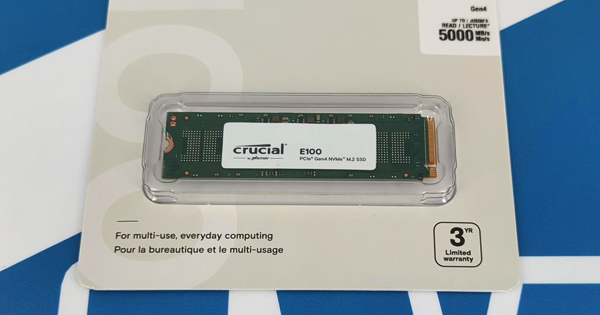
Die E100-SSD von Crucial basiert auf einem PCIe Gen4 Interface und QLC-Flashspeicher von Micron. Die Serie zielt auf Ein- und Umsteiger in die SSD-Welt ab. Wir haben uns das 1-TB-Modell im Test angesehen.
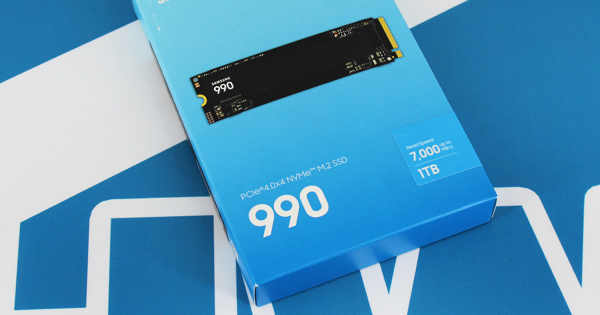
Mit der SSD-990-Familie stellt Samsung eine neue Serie von SSDs für Einsteiger vor. Wie sich die Kombination aus PCI Express Gen4 und QLC-Flashspeicher in der Praxis schlägt, klären wir am 1-TB-Modell.